What Banking Selections Reveal About Tactical Adaptations During Live Blackjack Rounds on Regulated Handheld Platforms
Written by Anna Krüger · Jun 8, 2026
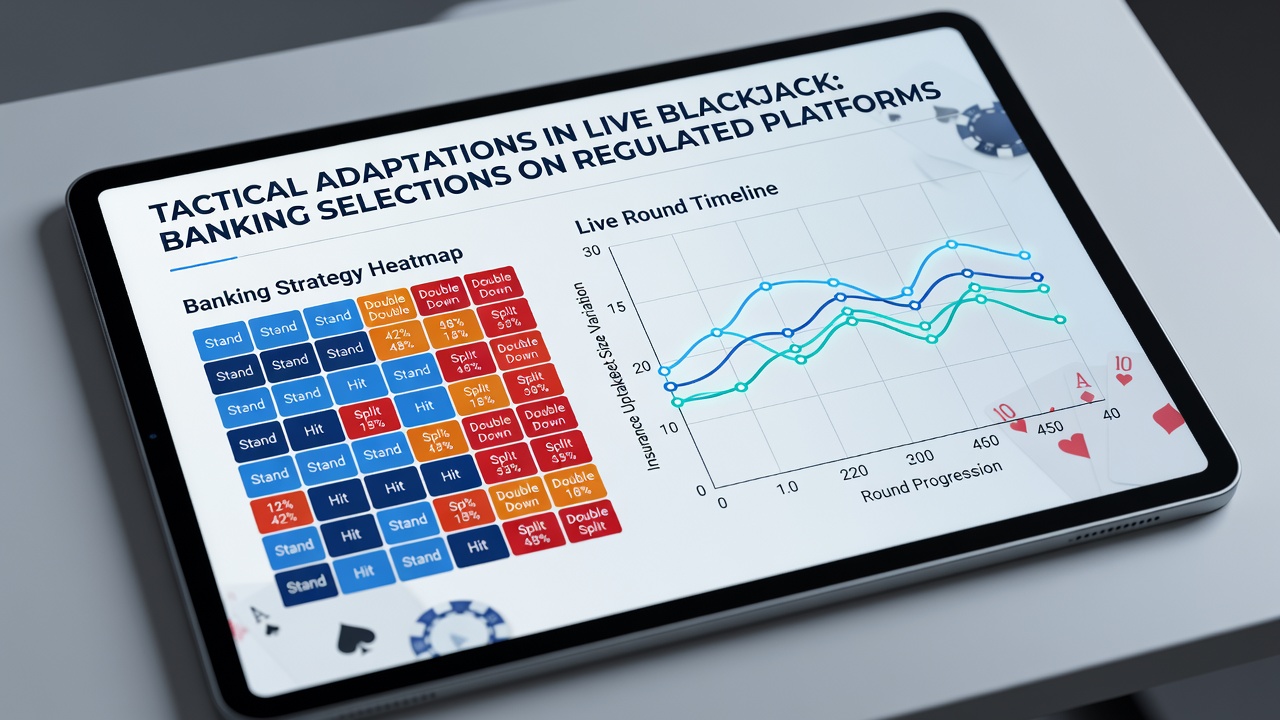
What Banking Selections Reveal About Tactical Adaptations During Live Blackjack Rounds on Regulated Handheld Platforms
Banking selections on regulated handheld platforms often align with observable shifts in player behavior during live blackjack sessions, and data from multiple state systems tracks these patterns through transaction logs that connect funding methods to bet sizing and session timing. Platforms in states with mature mobile frameworks record how users choose between instant e-wallet transfers and slower bank-linked options, revealing adjustments that occur mid-round when live dealer cards alter table dynamics. Observers note that players who select rapid reload features tend to maintain consistent wager levels across consecutive hands, whereas those using scheduled transfers frequently reduce bet amounts after dealer streaks develop.
Payment Timing and Session Flow Adjustments
Transaction records compiled through June 2026 indicate clear links between deposit speed and the pace at which participants alter their approach to live tables. When funding arrives within seconds via digital wallets, users extend rounds longer on average and apply more frequent doubling decisions on soft totals. Slower authorization paths, by contrast, coincide with shorter sessions and a preference for standing on marginal hands, which reduces exposure during dealer hot streaks. These patterns emerge consistently across authorized applications that log both payment metadata and gameplay events without storing personal identifiers beyond regulatory requirements.
Funding Channels and Risk Calibration
Research from the New Jersey Division of Gaming Enforcement shows correlations between funding source type and the frequency of insurance bets placed after the dealer reveals an ace. Users routing funds through prepaid card systems place insurance wagers at lower rates than those employing linked checking accounts, suggesting a preference for preserving bankrolls when reload options carry higher processing fees. Handheld device logs further demonstrate that participants switch between multiple approved payment rails within a single session when live card counts shift from neutral to player-favorable, enabling quick capital injections that support sustained aggressive play without leaving the table interface.
Platform operators in additional jurisdictions report similar trends, where the choice of cryptocurrency options on permitted networks corresponds to tighter adherence to predetermined stop-loss thresholds. These selections appear less often during extended winning sequences yet increase sharply once dealer upcards repeatedly exceed player totals, indicating a tactical pivot toward controlled withdrawal rather than continued exposure.

State-Level Data Patterns Through Mid-2026
Figures compiled by the Alcohol and Gaming Commission of Ontario through June 2026 illustrate how cross-border users on regulated U.S. platforms adapt banking choices when traveling between jurisdictions with differing transaction limits. Participants who maintain accounts in multiple states favor e-wallet methods that bypass daily caps, allowing seamless continuation of established betting progressions even as live dealer shoe penetration changes. Academic analyses from the University of Nevada, Las Vegas Center for Gaming Research confirm that such flexibility reduces the incidence of mid-session cash-outs by approximately 18 percent compared to single-method users, supporting longer observation of dealer tendencies before altering course.
Additional logs from authorized operators reveal that loyalty-linked funding bonuses influence tactical timing, with users claiming instant-match credits immediately after unfavorable dealer blackjacks to restore position sizing on the next round. This behavior appears most pronounced on tablets and phones where interface prompts surface payment options directly beside the betting circle, minimizing disruption to game flow.
Device-Specific Transaction Behaviors
Handheld platform telemetry indicates that smartphone sessions produce more frequent micro-deposits during live rounds than tablet sessions, correlating with higher rates of split-pair decisions on low-value starting hands. Tablet users, by comparison, tend toward fewer but larger transfers that coincide with conservative standing strategies once the running count moves against the player. These device-linked patterns hold across multiple operators and persist even when identical regulatory frameworks govern the underlying games.
Regulatory Reporting and Observable Trends
State compliance filings require operators to retain anonymized records that connect payment channel selection to round-level events, creating datasets that researchers use to identify adaptation markers without accessing individual accounts. Through the first half of 2026, these filings document steady growth in multi-channel funding among active live blackjack participants, particularly when session durations exceed forty-five minutes and dealer variance increases. The resulting information supports platform refinements that surface context-aware payment suggestions based on current table conditions rather than static user profiles.
Conclusion
Banking selections on regulated handheld platforms supply measurable indicators of how participants recalibrate tactics during live blackjack rounds, and aggregated records from authorized sources continue to map these relationships as mobile frameworks expand. Transaction timing, channel type, and device context each contribute distinct signals that align with documented shifts in wager size, insurance frequency, and session length. Continued collection of such data through established regulatory channels will further clarify the connections between funding decisions and real-time strategic responses across legal domestic markets.