State-Level Policy Influences on Promotional Designs for Mobile Real-Time Table Experiences in Legal US Gaming Zones
Written by Casey Hayes · Jul 11, 2026
State-Level Policy Influences on Promotional Designs for Mobile Real-Time Table Experiences in Legal US Gaming Zones
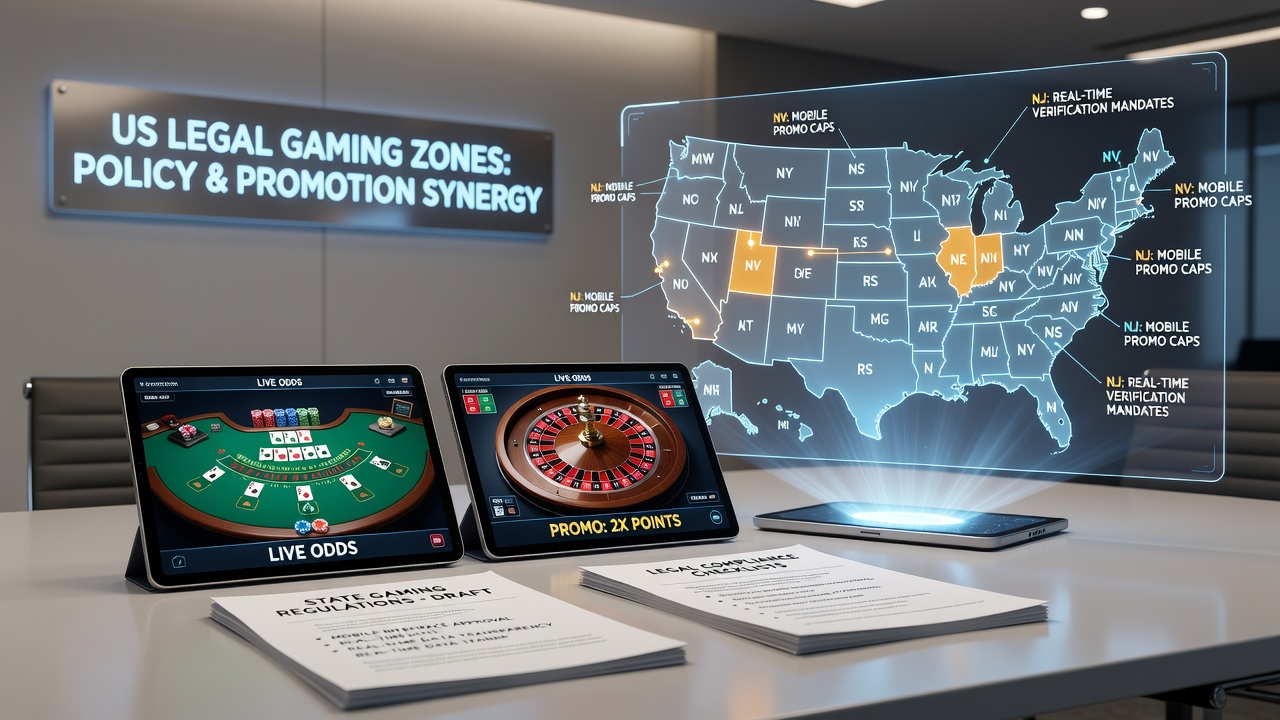
State regulations continue to shape how operators structure promotional offers for mobile real-time table games across legal US gaming zones, and these rules produce distinct design patterns that vary by jurisdiction. In July 2026, data from multiple state oversight bodies showed ongoing adjustments to bonus eligibility, wager requirements, and integration features that operators must incorporate when developing campaigns for live dealer blackjack, roulette, and baccarat sessions delivered through handheld devices.
New Jersey maintains one of the more established frameworks through the Division of Gaming Enforcement, where promotional designs for mobile table experiences must tie bonus funds to specific session lengths and table minimums. Operators in this state often create tiered offers that unlock additional credits after players complete a set number of hands, and these structures reflect direct compliance with rules that limit how quickly promotional value converts to withdrawable cash. Pennsylvania follows a parallel yet distinct path, with the Pennsylvania Gaming Control Board requiring clear separation between deposit-matched promotions and live table play rewards, which leads developers to embed session-tracking mechanics directly into app interfaces.
Regional Variations in Promotion Structures
Michigan's regulatory approach through the Michigan Gaming Control Board emphasizes responsible gaming disclosures within every promotional banner for mobile real-time tables, and this requirement influences visual layouts that operators deploy across approved platforms. Data released in mid-2026 indicated that Michigan-based apps display wager-limit warnings more prominently than neighboring states, which in turn affects how loyalty multipliers apply during extended dealer sessions. Illinois, operating under the Illinois Gaming Board, permits broader flexibility in combining sports betting deposits with table game bonuses, yet state rules still mandate that any mobile promotion for live dealer games includes a minimum playthrough period before funds become eligible for cashout.
These differences create practical outcomes for how promotional campaigns appear to users. In states with stricter session-duration rules, designers incorporate progress meters that track completed hands in real time, while jurisdictions with looser conversion timelines allow for simpler flat-percentage offers that activate immediately upon funding a mobile account. Observers note that such policy distinctions produce measurable shifts in player engagement patterns across state lines, particularly when users access multiple platforms through geo-fenced applications.
Impact on App Interface and Feature Design
Policy requirements also drive technical choices in how live table promotions integrate with payment flows and game lobbies. In regulated zones where state law caps maximum bonus values tied to table games, developers limit display fields for high-value offers and instead highlight smaller, recurring rewards that align with daily or weekly play caps. This approach appears consistently in applications serving New Jersey and Pennsylvania users, where compliance teams review each promotional element before release.

Additional design adaptations surface when states update licensing conditions mid-year. Following guidance issued in early 2026, several operators revised their mobile interfaces to include separate tabs for live table promotions versus slot-focused offers, a change that directly responded to enforcement actions emphasizing product-type differentiation. These updates ensure that bonus terms remain visible throughout a player's session rather than appearing only at the deposit stage.
Data Trends Across Jurisdictions
According to reports compiled by the American Gaming Association, mobile real-time table traffic in multi-state markets grew steadily through the first half of 2026, yet promotional redemption rates diverged sharply between states with rigid playthrough mandates and those with more flexible structures. Figures reveal that jurisdictions requiring extended table session minimums recorded lower average bonus utilization compared with states that allow quicker progression through promotional tiers.
Researchers at the University of Nevada, Las Vegas documented similar patterns in a study released during the summer of 2026, noting that state-level differences in promotional design requirements correlate with variations in average session duration on mobile platforms. The study examined data from four major markets and found that operators adjust reward frequency and value thresholds to match local rules without altering core game mechanics.
Conclusion
State policies therefore function as primary drivers behind the specific features, disclosures, and reward mechanics that appear in promotional designs for mobile real-time table experiences. As regulatory bodies in established and emerging markets continue to refine their approaches, operators maintain distinct campaign architectures that reflect each jurisdiction's unique compliance landscape while supporting the operational needs of legal US gaming zones.