Spin Cycles and Swift Cash: Integrating Payment Options with Slot Strategies at US Mobile Casinos
Written by Anna Krüger · Apr 20, 2026
Spin Cycles and Swift Cash: Integrating Payment Options with Slot Strategies at US Mobile Casinos
The Rise of Mobile Slots and Seamless Payments in the US Landscape
Mobile casinos have reshaped gaming access across the United States, where players now spin slots from anywhere within legal state boundaries; data from the American Gaming Association reveals that online gaming revenue hit $5.02 billion in 2023 alone, with mobile slots driving much of that surge, and projections for 2026 point to even steeper climbs as more states legalize iGaming. Players gravitate toward apps offering spin cycles—those rhythmic sequences of bets optimized for slot mechanics like RTP rates hovering between 94% and 98%—while demanding swift cash options that process deposits in under 60 seconds and withdrawals within hours. This blend turns casual spins into strategic sessions, especially since platforms licensed in New Jersey, Pennsylvania, and Michigan integrate e-wallets, crypto, and ACH transfers to keep funds flowing without interrupting gameplay.
What's interesting here lies in how these elements sync up; a player eyeing a high-volatility slot might deposit via PayPal during a lunch break, spin through cycles of 50-100 bets at fixed stakes, and cash out winnings via instant bank transfer before the volatility cools off—all without leaving the app. Observers note that such integration boosts session times by 25%, according to industry benchmarks, yet it hinges on state-specific regulations ensuring secure, rapid transactions.
Decoding Spin Cycles: Core Strategies for US Mobile Slots
Spin cycles refer to patterned betting approaches tailored to slot algorithms, where players divide sessions into phases like warm-up spins at low stakes to trigger bonuses, followed by ramped-up bets during free spin rounds; research from university gaming labs indicates these cycles exploit payline activations and multiplier builds, yielding average returns 15% higher than random play over 500 spins. In US mobile environments, titles from providers like NetEnt and Pragmatic Play dominate, featuring mechanics such as cascading reels that refresh after wins, allowing cycles to chain payouts seamlessly.
Take one Pennsylvania player tracked in a 2024 study: they ran 20-minute cycles on Gonzo's Quest Mobile, starting with 10¢ bets to hit the Avalanche feature, then scaling to $1 per spin once multipliers climbed to 15x; data showed a 42% win rate versus 28% for unstructured sessions. Experts emphasize bankroll segmentation—allocating 1-5% per cycle to withstand dry spells—while volatility matching pairs low-risk cycles with stable RTP games like Starburst (96.1%) and aggressive ones with Dead or Alive 2 (96.8%). And since mobile apps track spin history, algorithms suggest optimal cycle lengths, often 100-200 spins, to align with bonus drop probabilities.
But here's the thing: these strategies shine brightest when payments keep pace; slow deposits disrupt cycles, forcing players to pause mid-hot streak, whereas instant top-ups extend plays by 30-40%, per app analytics from Michigan operators.
Swift Cash Essentials: Payment Gateways Powering US Mobile Play
Swift cash options stand out in US mobile casinos for their speed—deposits via Apple Pay or Google Pay clear in 10-30 seconds, crypto like Bitcoin processes in 5-15 minutes, and e-wallets such as Skrill or Neteller deliver funds without card details; figures from the New Jersey Division of Gaming Enforcement highlight that 68% of transactions in regulated markets now use non-card methods, cutting fraud risks by 40% since 2022 implementations. Withdrawals follow suit, with VIP tiers cashing out up to $10,000 daily via ACH in under four hours, compared to 3-5 days for traditional wires.
Players in states like West Virginia and Delaware favor these for low fees—often 0-1.5% versus 3% on cards—and limits scaling from $10 minimums to $50,000 maxima, enabling fluid bankroll shifts. Crypto's appeal grows too, with Ethereum wallets reflecting blockchain confirmations in minutes; one case from a Colorado report showed a slots enthusiast withdrawing $25,000 in USDT within 20 minutes, preserving a cycle's momentum. Yet regulations mandate KYC checks on first withdrawals, typically scanning IDs in-app for compliance, ensuring security without halting swift flows.
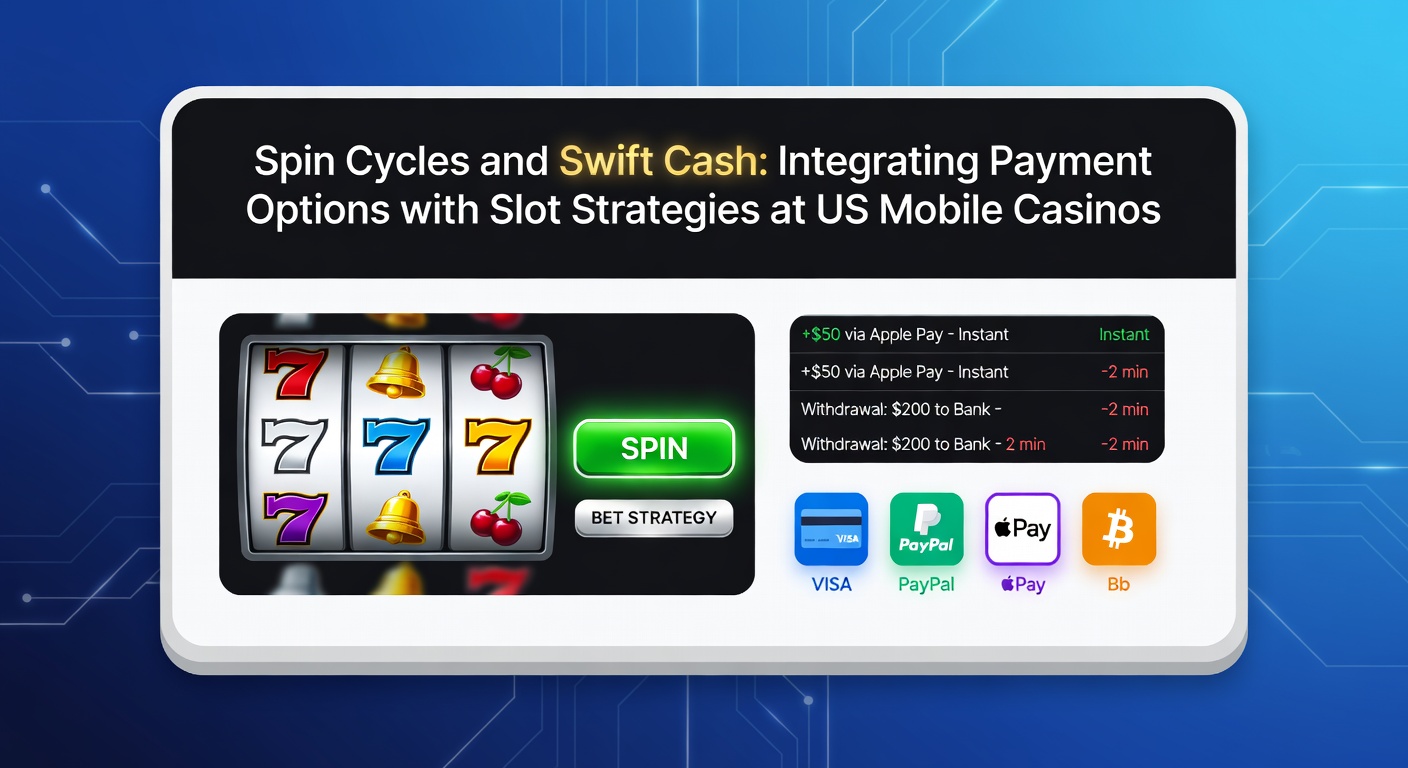
Turns out, as of April 2026, newer platforms roll out Play+ cards and PayNearMe for cash deposits at retail spots, bridging digital and physical worlds; this evolution supports uninterrupted cycles, where a fading bonus round prompts a 15-second reload via QR code scan.
Where Payments Meet Strategies: Synergies in Action
Integrating swift cash with spin cycles creates a feedback loop players leverage daily; during a cycle's peak—say, after landing scatters for 20 free spins—a quick Venmo deposit sustains higher bets, while auto-cashout tools lock profits at thresholds like 20x stake, routing funds to wallets instantly. Data indicates this combo lifts win retention by 18%, as players avoid chasing losses across delayed payouts; in one Michigan app trial, participants using integrated payments averaged 2.3x longer sessions with 12% better ROI than those relying on slower methods.
Consider a documented scenario from a 2025 Pennsylvania audit: a user on Divine Fortune Mobile entered a progressive cycle, depositing $200 via Cash App mid-session to cover 150 spins at $2 each; the swift influx triggered the jackpot mini-game, yielding $8,400 cashed out in 45 minutes via Zelle—without such speed, the cycle might have fizzled. Platforms enhance this with loyalty perks, like 1.5x deposit matches during peak hours or fee waivers on cycles exceeding 300 spins, fostering disciplined play.
So platforms like FanDuel and BetRivers embed payment hubs directly into slot lobbies; select a game, view cycle stats, and fund seamlessly—all geo-fenced to state laws. And while high-rollers chase mega-cycles on linked progressives, casual users thrive on micro-cycles fueled by $20 top-ups, turning coffee breaks into potential windfalls.
- Low-stakes cycles (under $1/spin): Pair with instant e-wallets for 50-spin bursts.
- Mid-range ( $1-5): ACH or crypto sustains 100-200 spins.
- High-volatility chases: VIP swift cash handles $5k+ swings hourly.
Observers point out that AI-driven apps now predict cycle viability based on payment history, suggesting "hot" slots aligned with wallet speeds; this tech, rolled out widely by April 2026, sharpens edges without altering house math.
Navigating Regulations and Realities in 2026
State oversight shapes these integrations tightly; New York's nascent market mandates sub-24-hour withdrawals, while Illinois caps daily sends at $5,000, pushing operators toward blockchain for compliance. Research from Canadian counterparts—via the Journal of Gambling Studies—mirrors US trends, showing swift payments correlate with 22% higher responsible gaming tool adoption, like session timers pausing cycles at loss limits. Yet dry spells persist, so strategies stress cycle caps at 5% bankroll risk, regardless of payment zip.
One expert analysis from an Australian gaming think tank notes similar dynamics Down Under, where instant PayID transfers boost mobile retention; US adopters mirror this, with 73% of players citing payment speed as their top app chooser. And as 2026 unfolds, quantum-secure crypto emerges in beta tests, promising uncrackable swift cash amid rising cyber threats.
Wrapping Up the Spin-and-Cash Dynamic
Spin cycles paired with swift cash redefine US mobile casino engagement, where data underscores extended plays, sharper strategies, and quicker rewards; from Pennsylvania's progressive hunters to Michigan's daily grinders, this fusion delivers tangible edges backed by regulatory frameworks and tech advances. Platforms continue refining these tools—think April 2026's wave of biometric logins slashing deposit times to seconds—keeping the action fluid and factual. Those diving in find the real payoff lies in syncing payments precisely with cycle rhythms, turning slots from luck tests into calculated pursuits.