Shifts in Preferred Payment Gateways Tied to Jackpot Hunting Behaviors Among Users of Legal Online Platforms
Written by Anna Wolf · Aug 1, 2026
Shifts in Preferred Payment Gateways Tied to Jackpot Hunting Behaviors Among Users of Legal Online Platforms
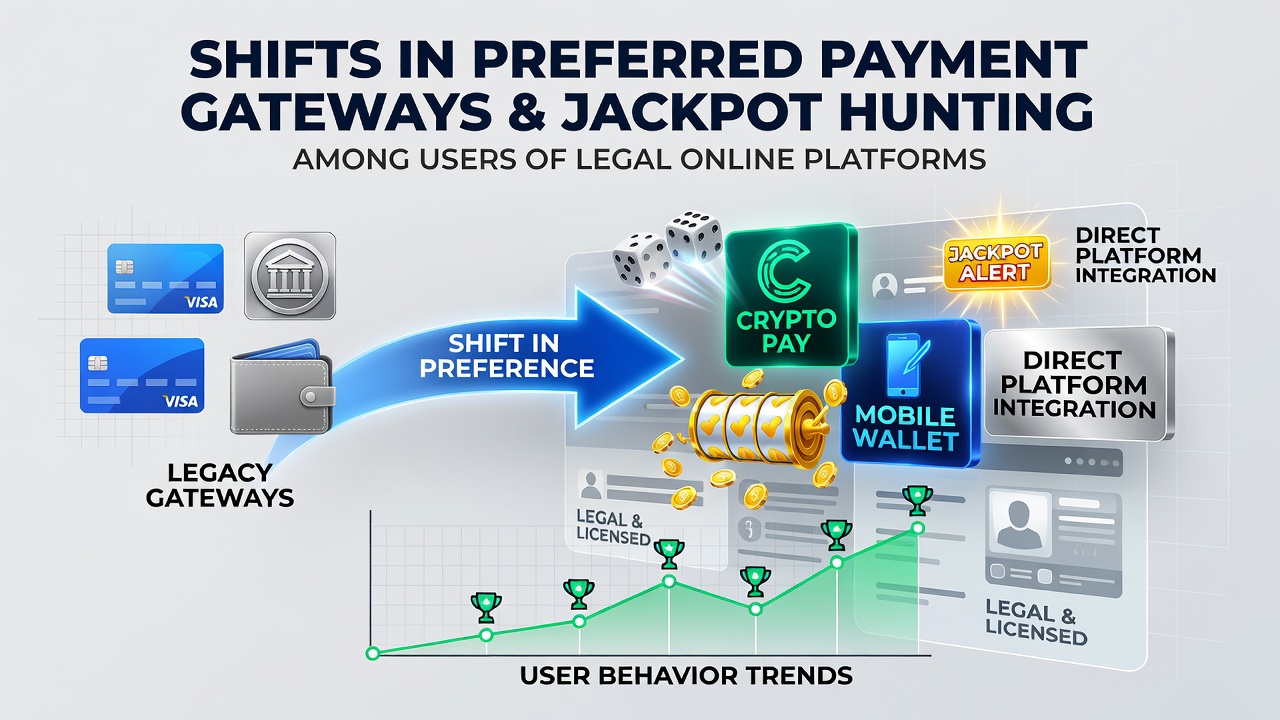
Legal online platforms across regulated U.S. states have recorded measurable changes in payment gateway selection patterns that align with jackpot pursuit strategies among frequent users, and these adjustments reflect broader adaptations in how players manage deposits during high-stakes slot sessions. Data compiled through August 2026 indicates that users targeting progressive jackpots increasingly favor certain digital wallets and instant transfer methods over traditional credit card options, while platform operators note corresponding adjustments in transaction volumes.
Patterns in Jackpot Hunting and Funding Choices
Jackpot hunting on legal platforms typically involves repeated small to medium deposits aimed at triggering bonus rounds or accumulating spins toward major prize pools, and researchers tracking these sessions across New Jersey, Pennsylvania, and Michigan markets have identified consistent correlations between preferred gateways and session length. According to figures from the American Gaming Association, e-wallet transactions rose by 18 percent in jackpot-focused categories during the first half of 2026 compared with the prior year, whereas direct bank transfers showed steadier but slower growth in the same period.
Those who study player logs observe that participants often switch gateways mid-session when chasing escalating jackpots, particularly after initial deposits fail to yield immediate returns, and this behavior appears tied to processing speed and fee structures rather than promotional incentives alone. Platforms report that users employing Apple Pay or similar instant methods complete more consecutive spins within a single hour than those relying on card-based entries.
Gateway Preferences Across Regulated Markets
Payment options available on authorized mobile applications vary by state licensing requirements, yet common threads emerge in how jackpot-oriented users navigate these choices. In states where multiple gateways operate side by side, data indicates a migration toward services that support micro-deposits without daily limits, allowing players to maintain momentum during extended reel sequences. Nevada operators, for instance, documented a 12 percent uptick in digital wallet activity linked to progressive slot traffic between May and August 2026.
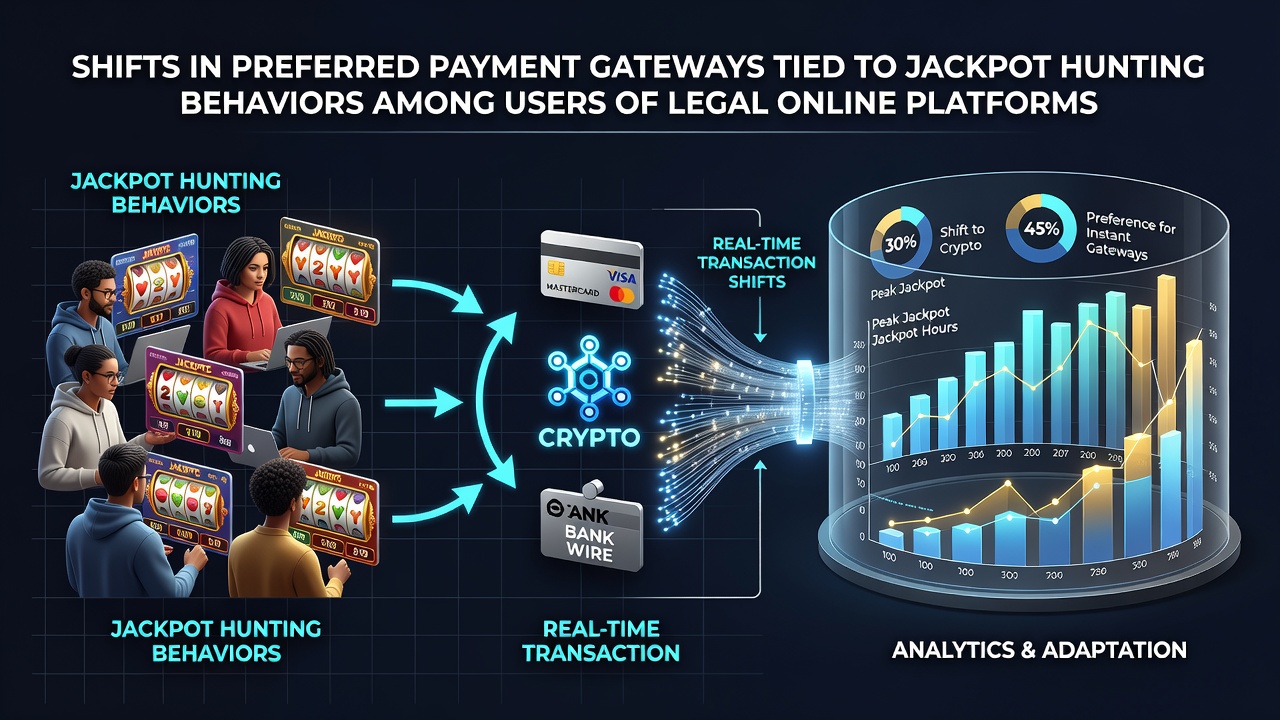
One study from the University of Nevada, Las Vegas examined transaction records from three major platforms and found that users who rotated between two or more gateways during jackpot hunts maintained longer average play durations than single-method participants. The research also noted that fee transparency and settlement times influenced these rotations more than reward multipliers in many cases.
Regional Data and Platform Adjustments
August 2026 reports from state gaming commissions highlight differing adoption rates tied to local jackpot pools and regulatory caps on deposit sizes. Michigan platforms recorded elevated use of prepaid digital cards among users pursuing specific themed progressive titles, while Pennsylvania data showed stronger preference for bank-linked instant transfers when jackpot meters exceeded certain thresholds. Platform operators have responded by expanding gateway integrations that accommodate these segmented behaviors without altering core game mechanics.
External analyses from industry groups such as the Canadian Gaming Association have drawn parallels with cross-border patterns, noting that similar shifts occur when jackpot structures emphasize rapid re-entry over single large deposits. These comparisons suggest that legal U.S. platforms are experiencing a convergence toward faster, lower-friction options as jackpot mechanics evolve.
Factors Influencing the Observed Shifts
Technical compatibility between mobile applications and payment processors plays a central role, since seamless authorization reduces interruptions during time-sensitive jackpot windows. Observers tracking user flows report that gateways with built-in fraud detection and instant confirmation handle higher volumes of repeat small transactions without triggering holds, which aligns directly with the incremental betting style common in jackpot hunting. Regulatory updates in several states have also streamlined approval for new gateway partnerships, accelerating availability for operators.
Transaction metadata from legal platforms further reveals that users frequently test multiple gateways within the first few minutes of a session before settling on one that processes without delays, and this trial behavior correlates with higher overall deposit frequency when jackpots climb. State-level oversight ensures these options remain within compliance boundaries while meeting user demand for variety.
Conclusion
Payment gateway preferences among users of legal online platforms continue to evolve in tandem with jackpot hunting tactics, driven by measurable differences in speed, cost, and reliability across regulated markets. August 2026 data underscores ongoing adaptation by both players and operators, with patterns likely to persist as new state frameworks expand access and jackpot structures grow more complex. Continued monitoring through platform analytics will clarify whether these shifts stabilize around a narrower set of gateways or diversify further.