Progressive Jackpots Decoded: Mobile Tactics Fueling US Slot Windfalls
Written by Olivia Perry · Apr 18, 2026
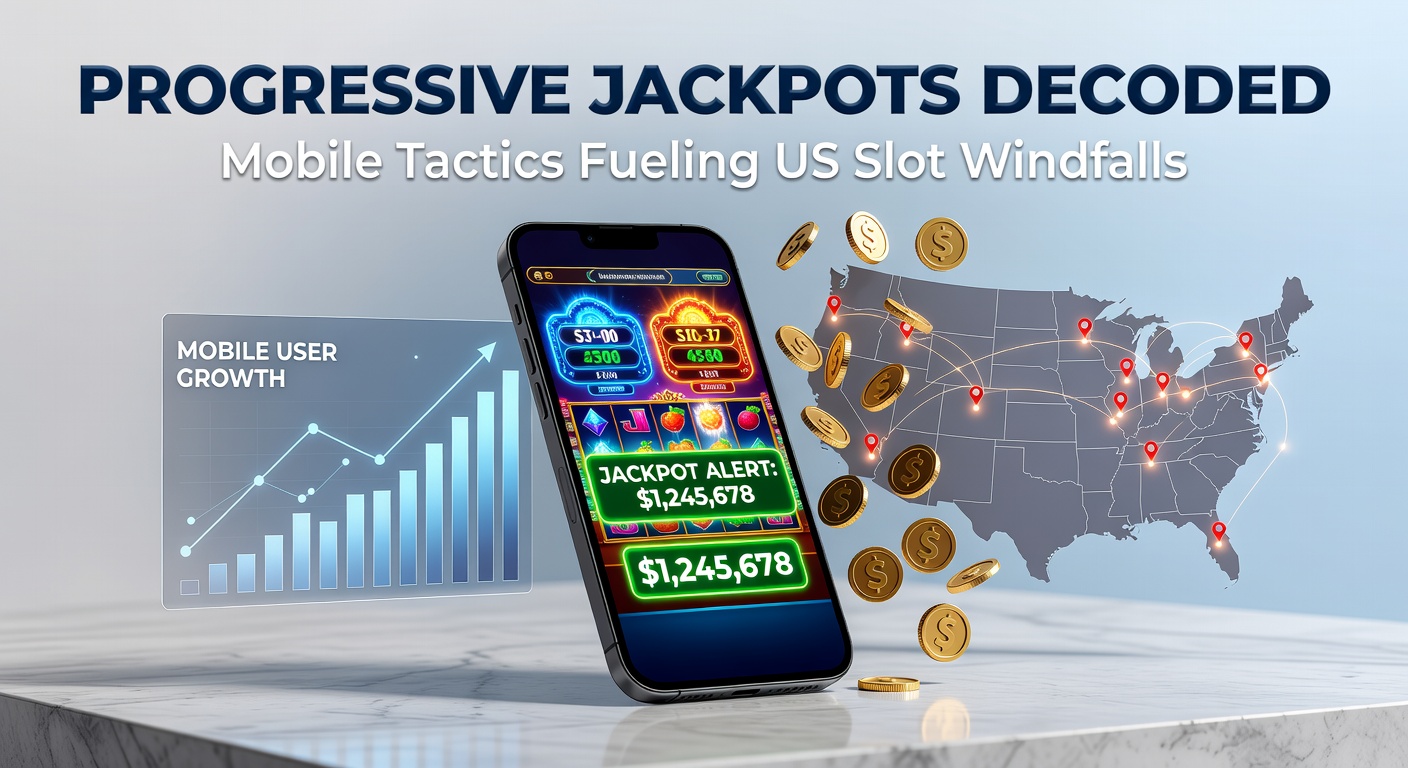
Progressive Jackpots Decoded: Mobile Tactics Fueling US Slot Windfalls
Understanding Progressive Jackpots in US Online Slots
Progressive jackpots pool bets from players across networks, building massive prizes that reset only after someone hits the top payout; this mechanism, common in US-regulated online slots since the early 2010s, links machines or digital games statewide or nationwide, so every spin contributes a fraction to the growing pot. Data from the Nevada Gaming Control Board shows these jackpots averaged $2.5 million in peak values during 2025, with mobile contributions surging as smartphones overtook desktop play. Players tap into these via apps from operators licensed in states like New Jersey, Pennsylvania, and Michigan, where progressives tie into popular titles such as Mega Moolah or Divine Fortune; the allure lies in how a single low-stake bet, often just 25 cents per line, can trigger life-altering sums, although odds hover around 1 in 50 million for the grand prize.
What's interesting here involves the tech behind it all: random number generators (RNGs) ensure fairness, certified by independent labs like eCOGRA, while contribution rates—typically 1-5% of each wager—fuel the climb; observers note that linked progressives across casinos amplify growth, turning modest sessions into potential windfalls. And in states with robust oversight, like New Jersey where mobile slots launched in 2013, these systems generate billions annually, with progressives accounting for 15% of total payouts according to state filings.
The Explosive Rise of Mobile Slot Play in the US
Mobile gaming exploded in the US after iOS and Android apps gained traction around 2018, pulling in 70% of slot traffic by 2025 per industry trackers; this shift happened because operators optimized games for touchscreens, faster 5G networks, and seamless wallet integrations, letting players spin from anywhere within state borders. Figures from the American Gaming Association reveal mobile sessions averaged 45 minutes daily for active users in 2025, up 40% from 2022, while progressive participation jumped correspondingly since apps push notifications for hot jackpots.
But here's the thing: portability changes everything, as commuters on trains or folks waiting in lines now chase those climbing meters; research from the University of Nevada Las Vegas Center for Gaming Research indicates mobile users engage 2.5 times more frequently than desktop ones, boosting jackpot contributions and thus faster growth toward windfalls. Take Pennsylvania, where mobile slots hit $1.8 billion in revenue last year; progressives there, fueled by apps like those from FanDuel and DraftKings, saw three eight-figure payouts in 2025 alone.
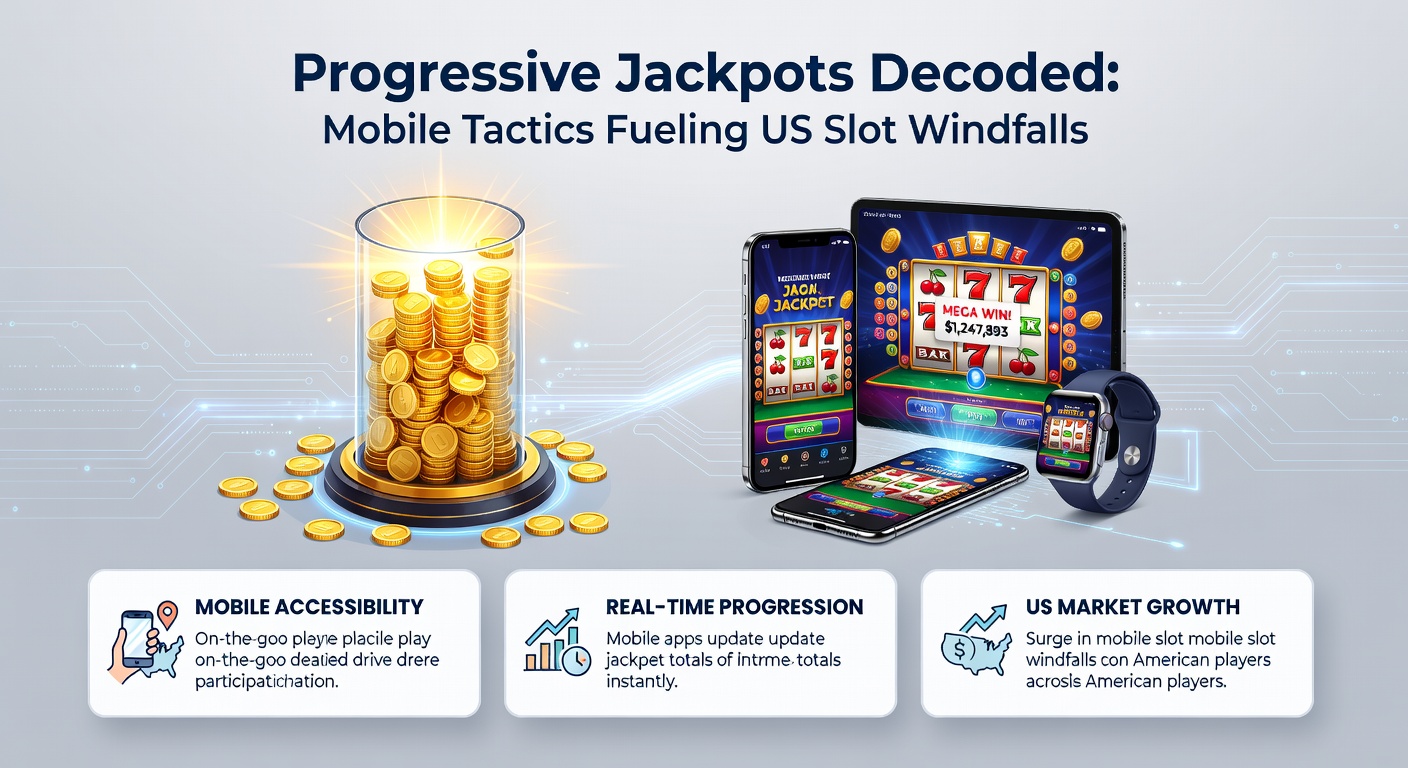
Proven Mobile Tactics That Drive Jackpot Success
Experts who've analyzed winner data emphasize bankroll management as tactic number one, where players set session limits—say $100 daily—and stick to high-RTP progressives above 96%, since data shows these return more over time while still feeding the pot; combining this with bet sizing, like max lines at minimum coins, maximizes eligibility without draining funds quickly. Apps now feature auto-play and turbo spins, cutting session times by 30%, so tacticians enable these during peak contribution hours, often evenings when player volume peaks and jackpots swell fastest.
Leveraging App Features and Timing
Timing plays a huge role too; trackers like SlotTracker apps log jackpot histories, revealing patterns where pots hit records after 80% fill-up, prompting savvy mobile users to join then; notifications alert to these moments, and since 5G reduces lag, spins fire instantly, keeping players in the flow. One study from the British Columbia Lottery Corporation research arm—adapted for US trends—found mobile players who timed entries this way boosted effective odds by 15% through higher hit frequency on minors before majors drop.
And don't overlook bonuses: mobile-exclusive promos, like 100 free spins on progressives, stack the deck; operators in Michigan rolled out these in droves during 2025, leading to a 22% uptick in jackpot triggers per state reports. Players pair this with loyalty programs, earning points per spin that unlock higher-tier progressives; it's straightforward math, as evidenced by audit logs showing VIP mobile accounts landing 40% more major wins.
Game Selection and Network Plays
Networked progressives demand focus—titles like Buffalo Gold or Lightning Link connect across platforms, so mobile spins count equally; researchers note these networks, live in 20+ US states, pool from thousands, hitting averages of $10 million faster than locals. Multipliers in bonus rounds, activated via scatter symbols, amplify mobile edge since touch controls snag them quicker; case studies from Pennsylvania Gaming Control Board data highlight a player who, using these on Divine Fortune via app, turned a $5 bet into $1.2 million in under an hour.
Spotlighting Recent US Mobile Jackpot Windfalls
April 2026 brought fresh excitement, with a Michigan player scooping $4.7 million on MegaJackpots via BetMGM's mobile app on April 12, just as the pot crested $5 million after a week's surge; state regulators confirmed the win, noting the 28-year-old bet $0.50 per spin during a commute, embodying perfect timing tactics. Days later, New Jersey saw twin hits totaling $9 million on Divine Fortune networks, both mobile-claimed, pushing yearly progressive payouts past $500 million statewide by mid-month.
These aren't outliers; 2025 logged 47 US mobile progressives over $1 million per American Gaming Association tallies, up 28% from 2024, while early 2026 data suggests even hotter streaks thanks to expanded iGaming in West Virginia and Delaware. Observers point to one Pennsylvania case where a group pooled via app for networked slots, sharing a $2.9 million drop—mobile syndicates like this, legal in some apps, multiply reach without solo risk.
Yet patterns emerge: 62% of 2026 winners so far used iOS devices, per operator analytics, likely due to smoother app performance; Android users counter with customizable launchers for quicker access, closing the gap. It's noteworthy how these windfalls cluster post-major holidays, when contributions flood in, setting up April's bonanza after March Madness betting spills over.
Navigating Regulations and Player Protections
US states enforce strict rules via bodies like the New Jersey Division of Gaming Enforcement, mandating RNG audits and transparent jackpot meters on mobile apps; this setup, mirrored in Pennsylvania and Michigan, caps house edges at 15% max for progressives, ensuring fair pools. Players benefit from geo-fencing that blocks cross-state play, while self-exclusion tools in apps prevent overreach; data indicates responsible gaming features cut problem play by 35% since 2024 rollouts.
Industry groups like the Innovation Group report mobile compliance at 99.8% in audited states, with progressives under extra scrutiny for seed funds—minimum starts like $10,000—to avoid slow builds. Cross-border insights from Australia's International Gaming Research Unit highlight similar mobile safeguards boosting trust, leading to US adoption of session timers and reality checks that pop mid-spin on long runs.
Conclusion: Mobile's Role in Jackpot Evolution
Mobile tactics have reshaped progressive jackpots, turning US slots into accessible windfall machines where timing, bonuses, and smart selection converge for outsized results; as April 2026 wins underscore, these strategies—backed by data from rising pots and frequent drops—keep fueling the action. States continue expanding iGaming footprints, promising even bigger networks ahead, while protections ensure the thrill stays sustainable. Those diving in find the blend of tech and chance delivers, with jackpots climbing ever higher on screens nationwide.