How Verification Timelines Shape Access to Themed Reel Sequences in Authorized State Gaming Applications
Written by Anna Krüger · Jun 1, 2026

How Verification Timelines Shape Access to Themed Reel Sequences in Authorized State Gaming Applications
Verification processes in authorized state gaming applications determine when users gain entry to specialized features such as themed reel sequences, and these timelines often extend from minutes to several days depending on state requirements and applicant documentation. Data from regulatory bodies shows that initial account setup involves identity checks, address confirmation, and payment method validation before operators unlock full game libraries including branded reel mechanics tied to popular entertainment properties. Observers note that delays arise when submitted materials require manual review, particularly in states where gaming commissions mandate enhanced due diligence for high-volume accounts or cross-border transactions.
State-Specific Verification Protocols and Their Effects
States like New Jersey, Pennsylvania, and Michigan maintain distinct frameworks that influence how quickly players reach themed content, with New Jersey's Division of Gaming Enforcement requiring real-time database cross-checks that typically complete within 24 hours while Pennsylvania's system sometimes incorporates additional layers for certain payment processors. Research indicates that these variations create uneven access patterns, as users in one jurisdiction might enter reel sequences featuring licensed characters or narratives on the same day of registration, whereas counterparts elsewhere encounter holds until secondary verification clears. Figures from industry reports reveal average processing times ranging between 15 minutes for automated approvals and 72 hours when flags trigger human intervention, directly gating features like progressive multipliers or bonus-triggered reel animations.
Documentation Factors Influencing Timelines
Applicants who provide government-issued identification alongside utility statements or bank records often experience faster clearances than those submitting partial information, and this disparity becomes pronounced when systems flag discrepancies in names or addresses that demand follow-up uploads. According to records from the Nevada Gaming Control Board, incomplete submissions account for roughly 40 percent of extended verification windows across mobile platforms, pushing access to themed sequences beyond the initial session and into subsequent days. Those who've studied regulatory filings know that summer updates, including refinements rolled out around June 2026, introduced standardized digital upload formats designed to reduce such bottlenecks while maintaining compliance thresholds.
Payment verification adds another variable, since linking digital wallets or cards requires authorization from financial institutions that operate on separate schedules from gaming regulators. Experts have observed that e-wallet integrations frequently accelerate overall timelines compared to traditional bank transfers, allowing quicker entry to reel sequences once the primary identity layer clears. What's interesting is how operators coordinate these steps through centralized platforms that sync state databases with internal compliance tools, creating a sequential gate that themed content cannot bypass.
Operational Impacts on Themed Content Delivery
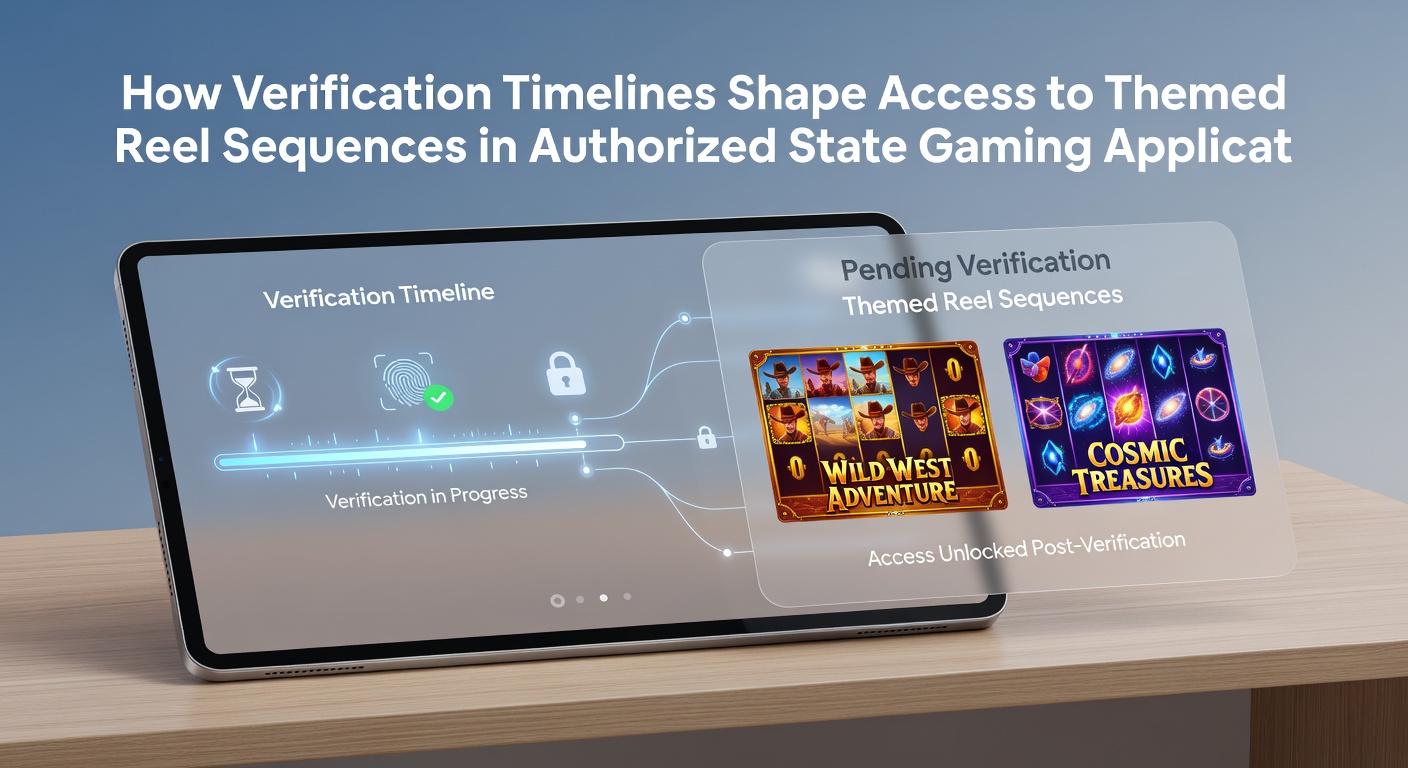
Once verification completes, applications grant immediate navigation to reel sequences built around specific themes, yet any interruption during the approval phase leaves these sequences inaccessible even if the base app functions for simpler games. Studies from academic sources such as the University of Nevada's gaming research division show correlations between verification duration and player retention metrics, with longer waits linked to reduced engagement in narrative-driven slots that rely on sequential unlocks. Data compiled by the Canadian Gaming Association highlights parallel patterns in cross-border comparisons, noting that streamlined digital ID systems in certain provinces shorten equivalent timelines and increase exposure to themed mechanics.
Operators address these constraints by displaying progress indicators and estimated completion windows within the app interface, guiding users through required actions without revealing internal algorithms. One study revealed that proactive notifications about pending documents reduce repeat submissions and associated delays, allowing themed reel access to align more closely with user expectations. The reality is that regulatory audits conducted in early 2026 prompted several platforms to refine their automated scoring models, cutting average verification periods in participating states.
Patterns Across Multiple Jurisdictions
Comparative analysis across authorized markets demonstrates that states with integrated biometric options tend to achieve quicker resolutions than those relying solely on document uploads, though adoption rates vary based on legislative approval cycles. Observers note seasonal fluctuations where application volumes spike during promotional periods, stretching manual review queues and indirectly postponing access to complex reel sequences. Evidence suggests that partnerships between operators and third-party verification services have begun standardizing data formats, which could further compress timelines as implementations mature beyond June 2026 benchmarks.
Access restrictions during verification periods typically limit users to demo modes or non-themed titles, preserving compliance while preventing premature feature exposure. Those who've tracked regulatory updates know that audit trails generated during these phases help commissions monitor operator adherence, ensuring that themed content remains gated until full approval. Figures reveal that successful verifications in the same calendar month often cluster around consistent documentation quality, underscoring the procedural nature of the process rather than individual variables alone.
Conclusion
Verification timelines continue to function as primary gatekeepers for themed reel sequences within state-authorized gaming applications, shaping availability through layered checks that balance regulatory mandates with operational efficiency. As platforms incorporate refined digital tools and states align protocols following mid-2026 adjustments, the interval between registration and full feature access shows measurable contraction in several jurisdictions. Observers continue monitoring these developments to understand how procedural elements sustain compliance across expanding mobile ecosystems.