Funding Choices Shaping Live Table Selections Across Regulated State Mobile Platforms
Written by Olivia Perry · Jun 6, 2026
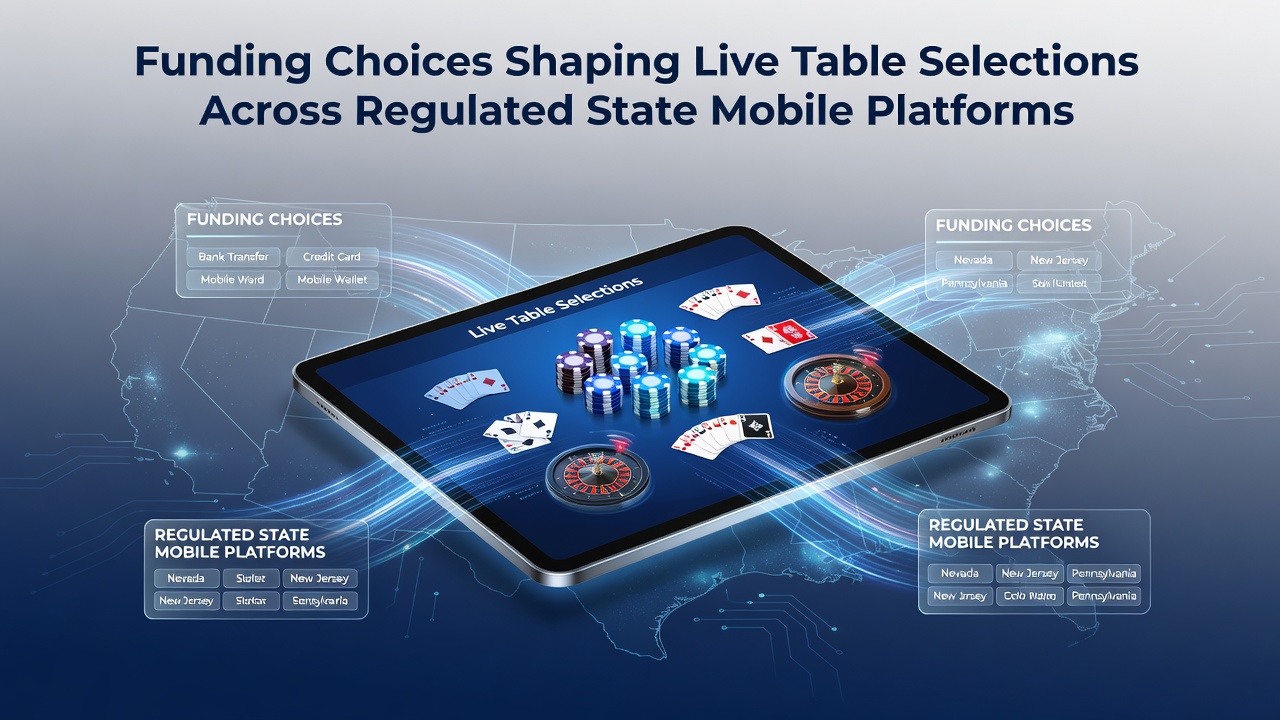
Funding Choices Shaping Live Table Selections Across Regulated State Mobile Platforms
Payment methods available on regulated mobile platforms in states such as New Jersey, Pennsylvania, and Michigan continue to influence which live table games players access and how frequently they engage with those options, with data from June 2026 indicating clear correlations between deposit speed and game type preferences. Research from state gaming reports shows that instant funding channels like digital wallets tend to pair with higher volumes of live blackjack sessions, whereas slower bank transfers often align with more deliberate selections of roulette or baccarat tables.
Deposit Speed and Live Dealer Engagement Patterns
Observers note that platforms in authorized jurisdictions process funding through a range of options, and those processing times directly affect session starts. When e-wallets clear funds within seconds, players move quickly into live dealer environments where table limits and dealer rotations update in real time, leading to increased participation in high-frequency games. Studies compiled by the New Jersey Division of Gaming Enforcement reveal that sessions initiated with instant deposits average longer durations at blackjack tables compared to those funded through traditional ACH transfers that require additional verification steps.
Yet the relationship extends beyond speed alone, since payment method also determines available promotional overlays tied to specific live variants. Data collected across multiple state systems indicates that players using prepaid cards encounter different bonus structures than those relying on direct bank links, which in turn steers selections toward tables that accept those particular incentives.
Regional Variations in Funding Integration
Across state lines, regulatory frameworks shape how operators integrate funding tools with live table menus. In Pennsylvania, for instance, platforms must route all deposits through licensed processors, and this requirement has produced measurable shifts in game popularity when new wallet partnerships launch. Michigan operators, operating under separate rules, have documented similar trends where the introduction of instant bank payments coincided with a measurable uptick in live baccarat activity during the first half of 2026.
What's notable is that verification timelines vary by method, and longer approval periods for certain cards or wire services reduce the likelihood of spontaneous table switches. Those patterns appear consistently in aggregated platform analytics shared among operators in compliant markets.
Payment Channels and Risk Assessment at Tables
Live table selections also reflect how funding sources interact with in-session risk tools. Research indicates that players funding via digital wallets often maintain smaller per-hand stakes initially while testing dealer pace, then scale up once the session stabilizes. In contrast, bank-linked accounts tend to support larger initial commitments because the funding process itself signals completed financial checks.
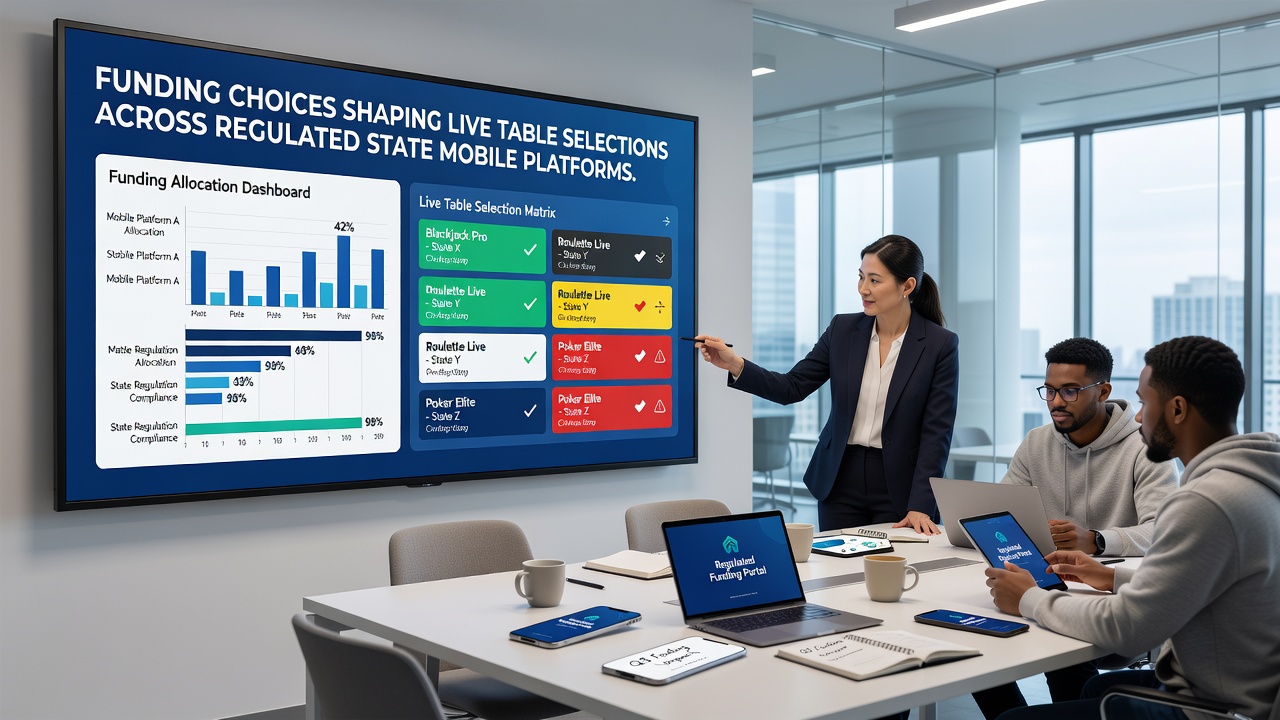
According to reports issued by the Pennsylvania Gaming Control Board, these behavioral distinctions hold across thousands of daily sessions, with funding channel serving as a reliable predictor of average table duration and game variant choice. Operators have adjusted interface layouts accordingly, surfacing live blackjack rooms more prominently for wallet users while featuring roulette for those arriving through slower channels.
Case Examples from Authorized Markets
One documented instance involves a Michigan operator that introduced a new instant payment partner in early 2026, after which live dealer blackjack participation rose by double-digit percentages within the first quarter. Similar outcomes emerged in New Jersey when a major platform updated its wallet integrations, prompting players to favor tables with shorter shuffle cycles over those requiring extended commitment periods. These shifts occurred without changes to game rules or marketing campaigns, underscoring the direct role of funding mechanics.
Additional analysis from the Alcohol and Gaming Commission of Ontario, examining cross-border player behavior patterns, confirms that deposit method preferences travel with users even when they access multiple regulated environments, further solidifying the connection between payment infrastructure and live table engagement.
Future Developments in Funding and Table Access
As mobile platforms continue refining their payment ecosystems, new integrations such as embedded banking features are expected to alter selection dynamics once more. State regulators monitor these developments closely, requiring operators to maintain transparent reporting on how funding options correlate with live game activity. The data gathered through June 2026 already demonstrates that seamless funding pathways expand access to a broader range of live table experiences without requiring players to navigate separate financial steps mid-session.
Conclusion
Funding choices remain a foundational element in how players navigate live table offerings on regulated state mobile platforms, with processing speed, verification requirements, and promotional compatibility all contributing to observable patterns in game selection. State-level data continues to track these relationships, providing operators and regulators with concrete metrics for understanding player behavior across authorized markets.