Digital Wallet Connections Guide Table Variant Choices in Off-Peak Windows on Licensed State Mobile Platforms
Written by Anna Wolf · Aug 8, 2026
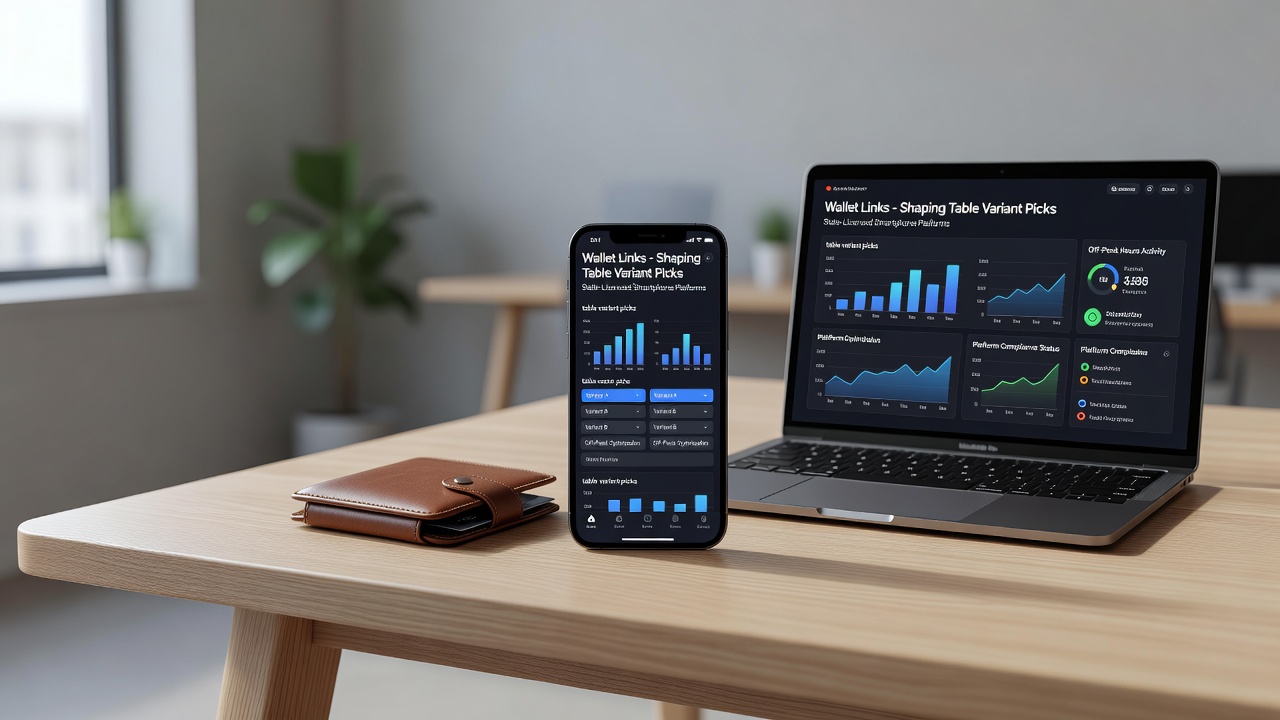
Digital Wallet Connections Guide Table Variant Choices in Off-Peak Windows on Licensed State Mobile Platforms
Data collected across multiple state-regulated mobile platforms shows that funding method connections often correlate with specific table game variant selections during slower periods, typically between 2 a.m. and 6 a.m. local time, when overall session volumes drop. Observers tracking player behavior note that instant wallet linkages, including those tied to PayPal or Apple Pay, frequently precede choices for variants like speed blackjack or multi-wheel roulette, whereas traditional bank transfers align more often with standard blackjack or baccarat formats.
Figures from the American Gaming Association reveal steady growth in mobile table game activity during these off-peak windows, with wallet-linked sessions accounting for over 40 percent of table selections in several jurisdictions by mid-2026. Researchers examining patterns across New Jersey and Pennsylvania platforms found that users completing deposits through digital wallets tended to rotate through three or more variants per session, while those relying on ACH transfers stayed with single-variant play for longer stretches.
Platform logs from August 2026 indicate measurable shifts in variant popularity tied directly to wallet type. Speed tables, which require quicker funding confirmations, drew higher engagement from users whose accounts connected via e-wallet APIs, whereas classic table layouts maintained steadier traffic among players using slower verification paths. These differences emerged consistently across Android and iOS applications licensed in states with mature regulatory frameworks.
Patterns Emerging from Funding Method Data
Studies conducted by the University of Nevada, Las Vegas gaming research division highlight how wallet integration timing influences variant selection. Sessions initiated after 3 a.m. showed stronger associations between instant wallets and table games featuring lower minimum bets or automated side bets, while bank-linked accounts more commonly opened standard-stakes European roulette or Caribbean stud variants. The data spans thousands of sessions recorded between January and August 2026 across five state markets.
Regulatory reports from the New Jersey Division of Gaming Enforcement document similar correlations without attributing causation. Wallet-linked accounts demonstrated shorter intervals between deposit completion and game launch, often under 90 seconds, which aligned with increased selections of fast-play table options. In contrast, accounts using direct bank connections averaged longer preparation times and gravitated toward variants with more traditional pacing.
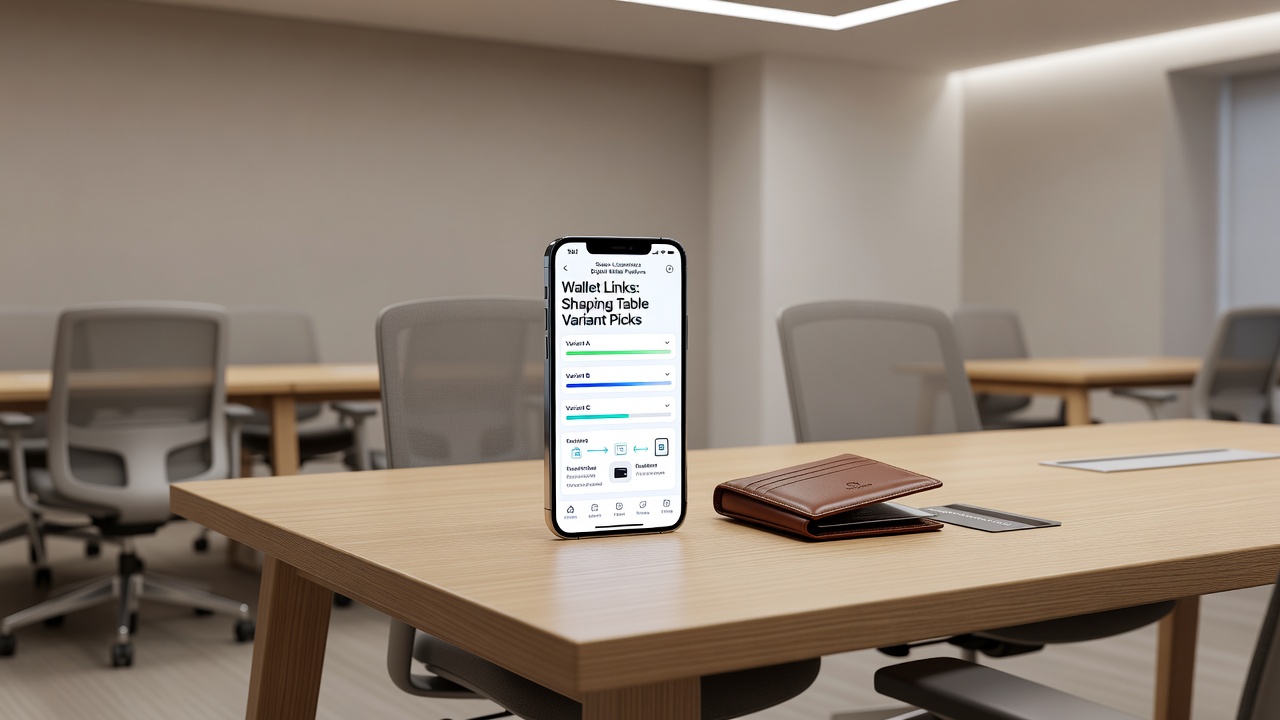
State-Level Variations in Off-Peak Behavior
Across different regulatory environments, the strength of these wallet-to-variant links varies. Michigan platforms recorded higher wallet usage rates during off-peak hours compared with Connecticut, where bank transfers retained a larger share. Analysts reviewing aggregated session data observed that Michigan users with connected digital wallets selected multi-hand blackjack variants 28 percent more frequently than users without such linkages during the same quiet periods.
Platform operators maintain internal dashboards that track these metrics in real time, allowing adjustments to table availability based on observed funding patterns. One analysis of August 2026 activity showed that when wallet-linked traffic increased after midnight, operators expanded speed-variant tables while reducing standard-stakes offerings to match demand. These operational responses appear consistently across licensed applications without altering overall game libraries.
Technical Factors Behind the Connections
API integration speed between wallets and gaming servers plays a measurable role in variant access. Faster confirmation times enable players to move directly into tables requiring immediate buy-ins, which often include automated or accelerated formats. Slower methods, by comparison, create natural pauses that coincide with selections of more deliberate game styles. Technical logs confirm these timing differences remain stable across device types and operating systems used on state-licensed platforms.
Security protocols attached to certain wallets also shape choices indirectly. Multi-factor authentication steps required by some funding services extend the interval before play begins, leading users toward variants that accommodate staggered entry. Data sets from multiple operators indicate this effect holds steady during off-peak windows when server loads remain low and transaction processing occurs without delay.
Conclusion
Available records demonstrate clear associations between wallet linkage methods and table variant selections during off-peak hours on state-licensed smartphone platforms. These patterns appear across multiple jurisdictions and remain consistent through the data collected in 2026. Platform metrics, regulatory filings, and academic reviews all point to funding channel characteristics as one factor among several that align with observed player decisions in quieter periods. Continued monitoring by operators and oversight bodies will track whether these relationships evolve with new wallet technologies or regulatory updates.