Cross-State Comparisons of How Loyalty Programs Affect Selections in Live Dealer Blackjack Sessions via Smartphone Applications in Permitted US Areas
Written by Anna Krüger · Jul 2, 2026

Cross-State Comparisons of How Loyalty Programs Affect Selections in Live Dealer Blackjack Sessions via Smartphone Applications in Permitted US Areas
Live dealer blackjack sessions on smartphone applications operate under distinct regulatory frameworks across permitted states, and loyalty programs play a measurable role in shaping how players choose tables, bet sizes, and session durations. Data compiled by state gaming agencies through July 2026 shows variations in point accrual rates, tier benefits, and redemption mechanics that correlate with specific selection patterns in New Jersey, Pennsylvania, Michigan, and West Virginia.
State Regulatory Contexts for Mobile Blackjack
New Jersey's Division of Gaming Enforcement requires operators to report loyalty program metrics alongside session data, which creates a detailed record of how rewards influence table selections during live dealer rounds. Pennsylvania's gaming control board applies similar disclosure rules yet structures its oversight around different tax allocation formulas that indirectly affect the value players assign to accumulated points. Michigan and West Virginia maintain their own reporting standards that produce comparable datasets, allowing direct comparisons of how loyalty tiers shift preferences toward certain game variants or minimum bet levels.
Loyalty Tier Mechanics and Player Choices
Operators in New Jersey award points at a baseline rate of one point per dollar wagered on live dealer blackjack, with higher tiers unlocking reduced house edges on selected tables or priority access to private dealer sessions. Pennsylvania programs accumulate points more slowly at lower tiers but accelerate rewards once players reach mid-level status, prompting shifts toward higher-stakes tables once those thresholds are crossed. Observers note that Michigan loyalty structures emphasize bonus play credits redeemable only on live tables, which data links to increased selection of specific dealer speeds and shoe penetration levels. West Virginia programs tie point values to session length, producing longer average play times once players enter upper tiers.
Comparative Data on Selection Patterns
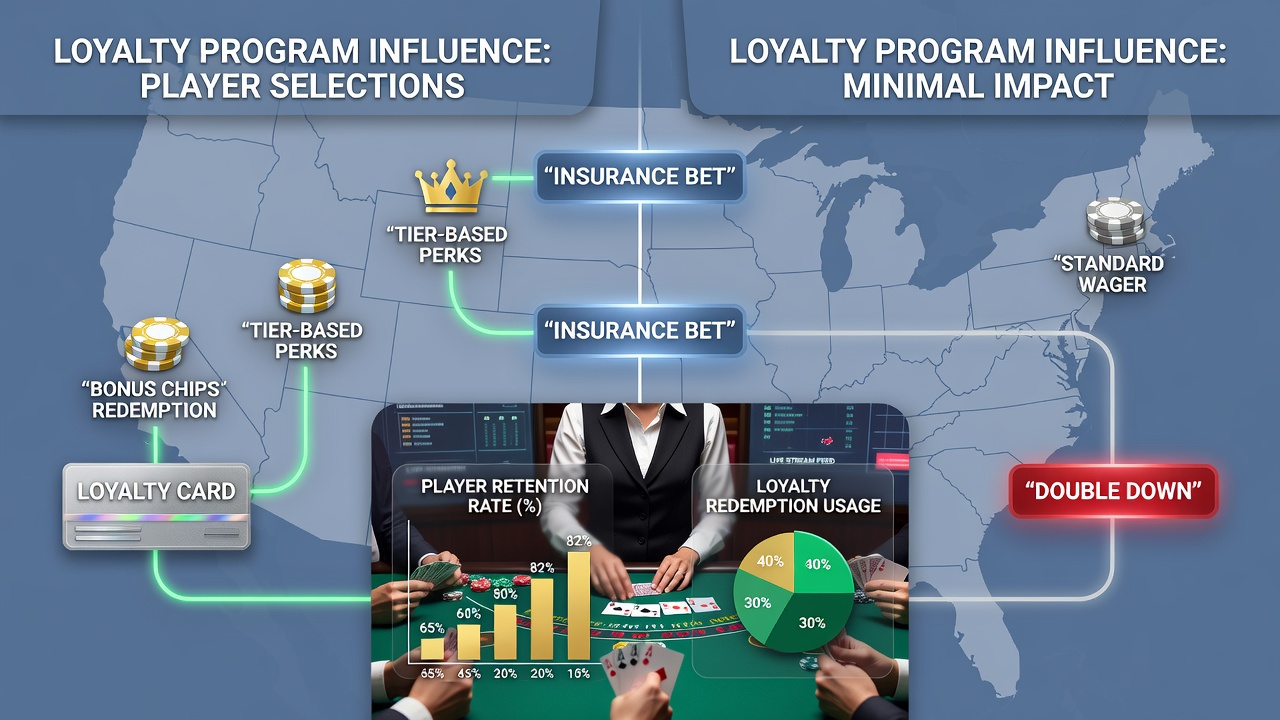
Figures released in July 2026 reveal that New Jersey players at gold tier or above select tables with side bet options 28 percent more frequently than base-tier users, whereas Pennsylvania gold-tier participants show a 19 percent increase in minimum bet size selections within the same game category. Michigan reports indicate that loyalty members at platinum level favor dealers offering faster card delivery rates, while West Virginia data connects point multipliers during promotional windows to higher volumes of double-down decisions. These patterns emerge consistently across operator platforms when filtered by loyalty status.
Smartphone Interface Influences on Reward Visibility
Application design elements such as real-time point trackers and tier-progress bars appear to reinforce selection behaviors tied to loyalty status. In states where operators display potential redemptions before table entry, players demonstrate higher rates of switching between live dealer options mid-session. Cross-state analysis shows New Jersey apps surface these prompts more prominently than those in Pennsylvania, correlating with more frequent mid-session table changes among loyalty members. Michigan and West Virginia platforms vary in notification timing, which researchers associate with differences in average session continuity once loyalty benefits activate.
Redemption Options and Resulting Bet Adjustments
Redemption structures differ enough across jurisdictions to produce distinct tactical adaptations during live rounds. New Jersey programs allow point conversion into increased payout multipliers on blackjack hands, leading loyalty users to favor tables where natural blackjacks occur at documented frequencies. Pennsylvania redemptions focus on free bet vouchers that players apply selectively to higher-limit tables once loyalty status is confirmed. Michigan operators tie redemptions to insurance bet credits, which data associates with elevated insurance selections among mid-tier members. West Virginia redemption paths emphasize extended play time credits that extend sessions without additional deposits.
Emerging Trends Through Mid-2026
State reports through July 2026 indicate growing integration between loyalty databases and live dealer algorithms that personalize table recommendations based on historical selections. This integration produces measurable shifts in how players at different tiers engage with specific game speeds and rule variations. Cross-state datasets continue to expand as more operators submit standardized loyalty metrics, enabling finer comparisons of how point systems interact with regulatory differences in each jurisdiction.
Conclusion
Cross-state examination of loyalty program effects on live dealer blackjack selections via smartphone applications demonstrates clear jurisdictional differences in point structures, redemption pathways, and resulting player behaviors. Data from permitted states through July 2026 supplies the foundation for ongoing analysis of these relationships, with regulatory reporting requirements ensuring continued availability of comparable metrics across New Jersey, Pennsylvania, Michigan, and West Virginia. New Jersey Division of Gaming Enforcement reports and findings from the University of Nevada, Las Vegas International Gaming Institute supply primary sources for these comparisons.